
Outmigration: Will Bloomington Run Out of People?
Would the last person in Bloomington please turn off the lights?
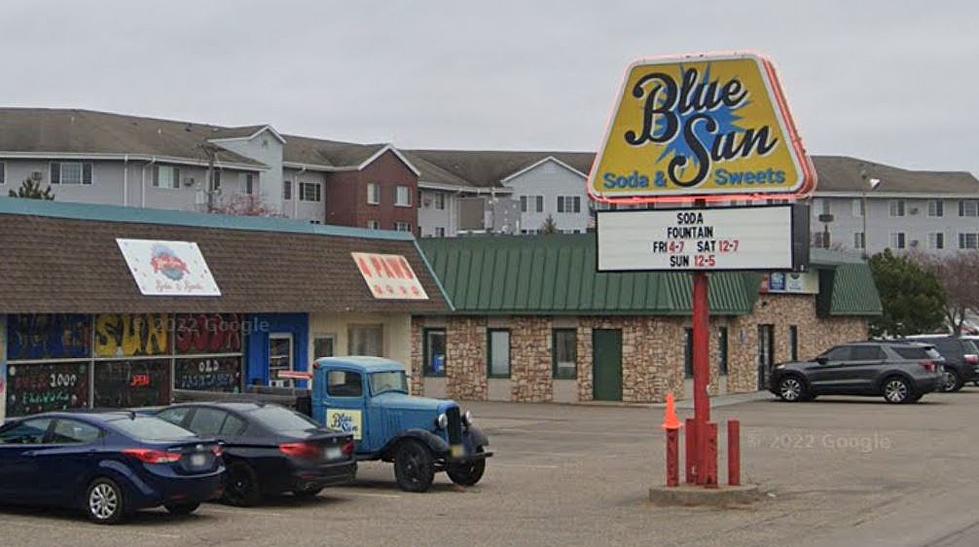
A new report from the moving website moveBuddha found the city with the highest outmigration in every state. In Minnesota, Bloomington leads the charge to … anywhere else.

How did that happen? Bloomington was a star suburb a few years ago! Now, it leads the state in the ratio of people leaving to the number of moving in. It turns out Bloomington has the same problems as the winner in most other states; the former crown jewels are losing out to sometimes cheaper, but always newer homes in nearby suburbs.
A search of the moving website moveBuddha was used to determine the top moving searches from January 1st of 2024, until October 15th, 2025. A count of the number of searches out of the city versus into the city was used to develop a ratio. A ratio of “1.0” meant an equal number of inbound and outbound moves were planned; the higher the number, the more inbound moves over outbound.
Out of more than 1,200 cities in the survey, 4 states didn’t have ANY cities with more outbound than inbound moves. Apparently, if you live in Maine, West Virginia, Wyoming, and South Dakota, you like where you live. In addition, cities needed a minimum of 20 move searches to qualify for the list, so there were no rankings for Alaska, Hawaii, and Washington, D.C.
In Minnesota, Bloomington had the lowest ratio with 0.68. That means there’s 2/3 of a move-in for every move-out planned.
My hometown of Grand Forks led North Dakota’s list. That’s not surprising; Grand Forks isn’t a hotbed of opportunity. But Bloomington, like many cities on the list, was the golden child of their state just a few decades ago.
The highest ranking city on the list: West Des Moines, Iowa. With a ratio of .18 (or 5 move-outs for every move-in), West Des Moines was the high-status suburb in the area just a few years ago. Today’s buyers see a different picture – the 30-year-old homes are dated and in need of a remodel, but priced at new home levels. There are new homes at a similar price just a few minutes down the road in the newer suburbs.
I know Bloomington will never run out of people; no one will turn off the lights when they leave, but it speaks to a larger housing problem nationwide. A 30-year-old home still looks very nice, but the roof and major mechanical systems are at the end of their useful life. Those bills are on the horizon, but the home is not priced accordingly. Those homes have a strong zip code premium; you get to live in the “ritzy” part of town.
New construction has its own problems, but a buyer knows everything is still under some sort of warranty. When I moved into my place, the furnace, air conditioner, and hot water heater all failed in the first four months. The replacement costs (not repairable, of course) were 35% of the purchase price of the home, and in cash. Pretty steep for a “well-taken-care-of” home. During last fall’s “Tour Of Homes”, many of the listings I stopped by had new home warranties at a cost reasonably close to used homes on the market.
As a consumer, the last resort we have is our bank account. As much as they’d like to, no one can force us to buy a home. We get to buy what we like and can afford, and buyers are looking for the no-surprises value of a new home in a new suburb over the sparkle of a high-status suburb. The market should adjust to what the buyers demand; it just takes a little time.
LOOK: Cities with the Most Expensive Homes in Minnesota
Gallery Credit: Stacker
More From 103.7 The Loon